Table Of Content

Though protein has been linked to hair and skin health, Doebrich says it’s possible to get those benefits—and others—if you follow a vegan diet. Don’t think of supplements as a replacement for a diet rich in healthy foods. Like chili, many quiche recipes can be modified to enhance hair growth.
Greek Yogurt
Hair grows around 0.35 millimeters each day, which amounts to 0.5 inches in a month and 6 inches in a year. Research from 2016 indicated that women who ate low-glycemic diets rich in complex carbohydrates, vitamins A, B, and C, and minerals like zinc and magnesium might have less hair loss during menopause. One interesting thing about sweet potatoes is that they also impact insulin resistance and blood sugar levels, which can in turn affect hair growth and loss. Many women experience hair loss from the scalp when they’re experiencing pre-diabetic conditions. Others get hirsutism, or facial hair, when they become insulin-resistant. If you’re interested, read through this list of the 15 best foods to eat for hair growth.
Best Foods That Will Help Your Hair Grow Thicker and Stronger, According to Dermatologists
Foods high in protein, omega-3 fatty acids, iron, fat-soluble vitamins, and B-complex vitamins aid hair growth. Leafy greens, eggs, and fatty fish are just some foods containing these essential nutrients. High in protein, (healthy) fat, and zinc, chia seeds are another great addition to your diet if you're looking to maintain healthy hair growth. Plus, St. Surin-Lord says they're also high in antioxidants, which help combat premature signs of aging like hair loss.
Best for hair loss
And your body (and hair) need plenty of those essential amino acids and protein to prosper. B vitamins as a whole (there are several of them) and folate have been linked to hair loss prevention, biotin often receives the biggest spotlight when it comes to hair. (However, more evidence is needed to actually prove this benefit, as determined in a 2017 review and others.) Though not technically a B vitamin, biotin is often grouped into this family of vitamins as a B complex vitamin.
Additionally, inositol — one of its components — can penetrate damaged hair, repairing and strengthening it from the inside out. The FDA does not approve dietary supplements for safety and effectiveness. Doebrich says it’s critical to speak with your healthcare professional before starting supplements. Doebrich says most people in the U.S. get enough nutrients from diet alone. A 2020 review noted that some studies linked food processing methods like frying and high-fat diets to skin aging.
Try Eating These Foods Before Splurging On A Pricey Hair Supplement - Yahoo Singapore News
Try Eating These Foods Before Splurging On A Pricey Hair Supplement.
Posted: Sun, 05 Nov 2023 07:00:00 GMT [source]
Yogurt
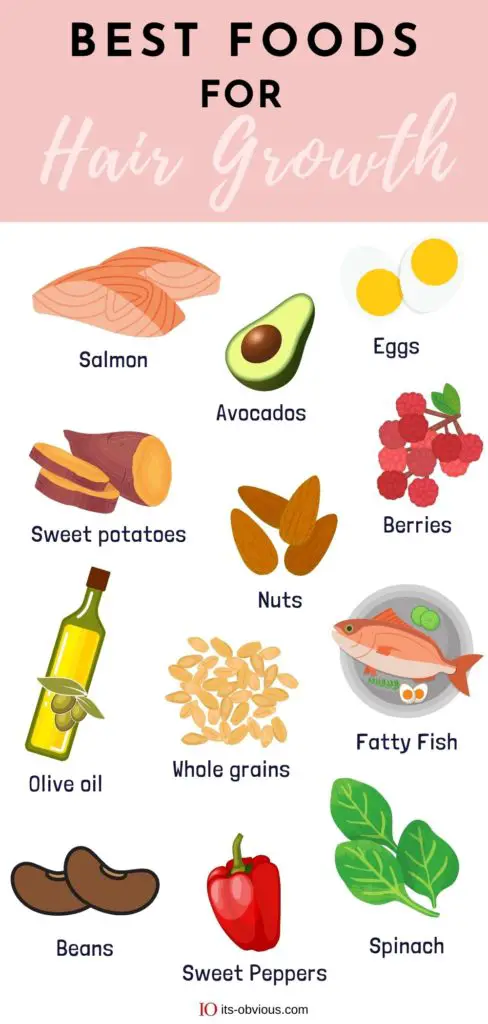
Before starting any supplement regimen, or if you've recently noticed significant hair loss, speak with your doctor. Hair follicles are made up of protein, so it makes sense that eating protein is a great way to support hair growth. If you're looking for a vegetarian alternative to animal proteins, try pulses (the dry, edible seeds of veggies) like chickpeas, lentils, beans and peas.
Drugs & Supplements
Strawberries are an excellent source of vitamin C, says Keri Gans, M.S., R.D., registered dietitian and author of The Small Change Diet. “Normally, up to 10 percent of your hair follicles are dormant at any given time. But nutrient deficiencies can cause your hair follicles to prematurely transition out of their growth phase, resulting in a higher percentage of follicles that are dormant,” says Yawitz.
Vitamins, minerals, and hair loss: Is there a connection?
Flaxseeds, chia seeds, sunflower seeds, and pumpkin seeds all contain nutrients necessary for hair health, such as vitamin E, zinc, and selenium. Flaxseeds and chia seeds also provide hair-loving omega-3 fatty acids. In one study on mice, the topical application of pumpkin seed oil was shown to promote hair growth, though studies in humans are needed. Though there are many factors that impact hair growth, following a diet rich in foods that provide nutrients required for hair follicle health is critical for maintaining healthy hair and supporting hair growth. Nutrients such as protein, zinc, selenium, B vitamins, and vitamin E are essential for the regulation of the hair growth cycles and keep hair looking healthy and strong.
You'll find protein and iron in Greek yogurt, making it an ideal food for hair growth. Cassetty prefers kefir, a drinkable, on-the-go option that you can pair with your regular breakfast for an extra kick of energy, and nutrients to help your hair grow long and stay healthy. “Berries are well-known to be high in powerful antioxidants that help protect our body cells from harmful substances while also positively impacting hair cells and hair follicles,” Tamburello says. While all berries will offer these hair health benefits, raspberries, blackberries, and blueberries are among the most antioxidant-rich, making them especially excellent choices.
Products promise to strengthen our nails, lengthen our hair, and keep our skin looking refreshed. One ounce of Brazil nuts also supplies around 8% of the daily recommendation for protein. Vitamin D3 deficiency is a common issue globally, and it influences your hair, among other health concerns, according to Gaunitz. Like eggs, whole grains are chock full of L-cysteine, as well as biotin and zinc. By Julie MarksMarks is a Florida-based freelance health writer with a bachelor's degree in broadcast journalism and creative writing.
In a study published by the Public Library of Science, mice given probiotic yogurt for 20–24 weeks developed thick, lustrous fur, with differences in fur luster observed as few as seven days into the experiment. Yogurt also contains vitamin B5 (known as pantothenic acid), which was shown to promote hair follicle growth in one study published in Life Sciences. They also provide a variety of B vitamins, zinc, and essential fatty acids. While more research is needed to understand the connection between micronutrients and hair loss, ensuring you’re getting enough of these 13 foods rich in nutrients that support hair growth is a good idea. This Act+Acre mask is bursting with fatty acids, proteins, and vitamins, which help to revive damaged strands and fried ends.
Vitamin A is essential for the production of natural oils that condition our hair and give it shine and elasticity. Dark green vegetables also provide iron and calcium, which are both essential to healthy hair. In addition to omega-3s, protein, iron, fiber, vitamins A, B, C, D and E and zinc are all important for hair growth, according to a January 2017 report in Dermatology Practical & Conceptual. Capsaicin, the fiery component found in chilli peppers, was shown to promote hair growth in one study on mice published in Growth Hormone & IGF Research. More research is needed to understand the exact connection between diet and hair loss, but it's smart to sneak in these nutrients to support your 'do. Pill or powder hair growth serums and supplements may help, but you might as well start with what's on your plate.




No comments:
Post a Comment